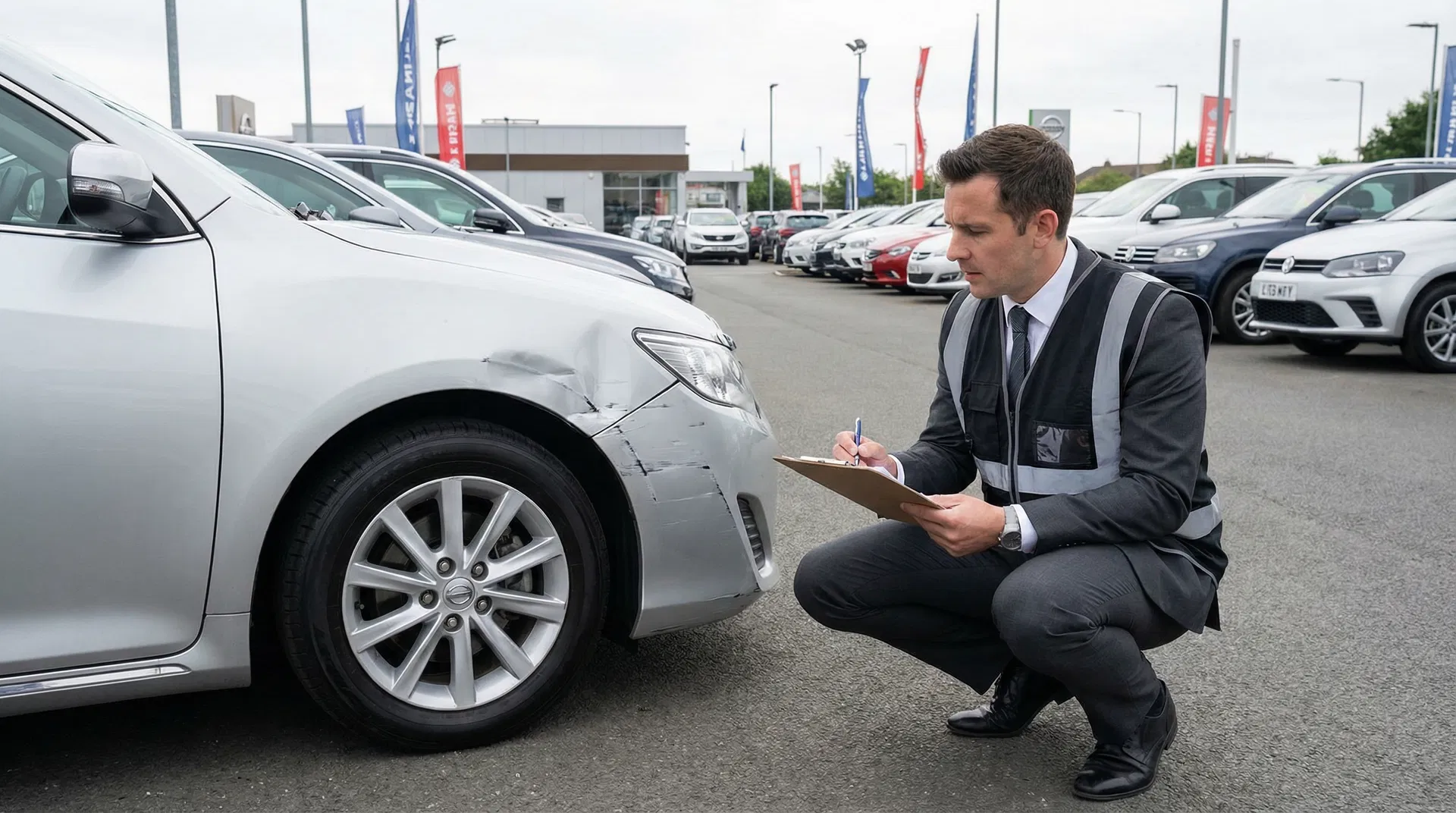
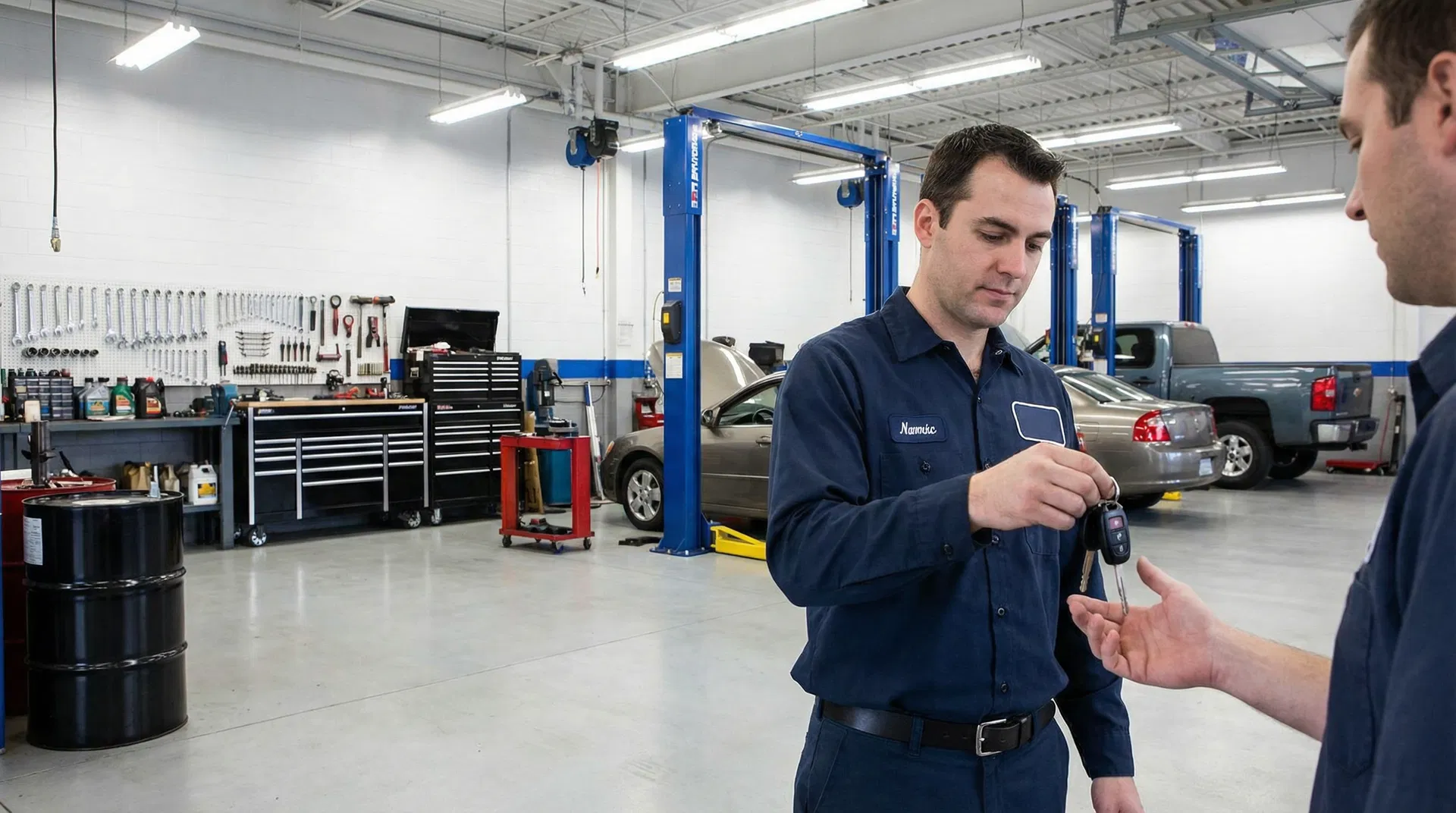
A customer slips on your shop floor. A technician backs a car into a wall. A fire damages three customer vehicles overnight. When incidents happen at your garage, dealership, or repair shop, knowing exactly how to file a claim — and what not to do — can mean the difference between a smooth payout and a denied claim. This guide walks you through the entire process.
Before a Claim Happens: Preparation Checklist
The best time to prepare for a claim is before one happens. Every garage, dealership, and repair shop should have these items readily accessible:
- Policy declarations page — Know your policy number, carrier name, and agent contact info. Post it in the office where any manager can find it.
- Claims reporting number — Most carriers have a 24/7 claims hotline separate from your agent's office number. Save it in your phone.
- Incident report template — A simple one-page form that any employee can fill out immediately after an incident (date, time, what happened, who was involved, witnesses).
- Camera system — Security footage is the single most valuable piece of evidence in a disputed claim. Ensure cameras cover all bays, the lot, and customer areas.
- Vehicle intake documentation — For garagekeepers claims, having a signed intake form noting pre-existing damage protects you from fraudulent claims.
Step 1: Secure the Scene and Ensure Safety
Your first priority is always human safety. If anyone is injured, call 911 immediately. After that:
- Prevent further damage (move vehicles if safe, shut off equipment, contain spills)
- Secure the area to preserve evidence
- Do not admit fault or make promises to anyone — simply say "we'll get this handled through our insurance"
- If the incident involves a vehicle accident on public roads (e.g., test drive), call law enforcement for an official report
Step 2: Document Everything Immediately
Documentation is the foundation of every successful claim. Within the first hour:
Photos and video
- Photograph all damage from multiple angles (wide shots + close-ups)
- Capture the surrounding area and any contributing factors (wet floor, obstructed view, etc.)
- If vehicles are involved, photograph license plates, VINs, and odometer readings
- Save security camera footage immediately — many systems overwrite within 24–72 hours
Written incident report
- Date, time, and exact location within your premises
- Detailed description of what happened (factual, not speculative)
- Names, phone numbers, and addresses of all parties involved
- Names and contact info of any witnesses (employees, customers, bystanders)
- Weather conditions (relevant for lot damage, slip-and-falls)
- Police report number if law enforcement responded
For garagekeepers claims specifically
- Customer's vehicle year, make, model, color, and VIN
- Customer's own auto insurance carrier and policy number
- Copy of your signed vehicle intake/repair order
- Pre-existing damage noted at intake (this is critical for disputes)
Step 3: Notify Your Insurance Agent or Carrier
Contact your agent or carrier's claims department within 24 hours — ideally the same day. Most policies require notification "as soon as practicable," and late reporting is the #1 reason claims get denied or reduced.
When you call, have ready:
- Your policy number
- Date and time of the incident
- Brief description of what happened
- Estimated damage amount (if known)
- Whether anyone was injured
- Whether a police report was filed
Pro tip: Even if you're unsure whether you'll file a formal claim, report the incident anyway. You can always withdraw a claim later, but you can't go back in time to report one you didn't disclose. Many carriers will deny a claim reported 60+ days after the incident.
Step 4: Cooperate with the Claims Adjuster
After you report, your carrier will assign a claims adjuster. Their job is to investigate the incident, assess damages, and determine coverage. Here's how to work with them effectively:
- Be responsive. Return calls and emails within 24 hours. Delays on your end slow the entire process.
- Provide all requested documentation promptly. Photos, repair orders, intake forms, employee statements — whatever they ask for.
- Be truthful and factual. Don't exaggerate or minimize. Stick to what you know and what your documentation shows.
- Don't repair or dispose of evidence until the adjuster has inspected it or given you clearance.
- Keep a log of every interaction — date, who you spoke with, what was discussed, what was agreed.
Step 5: Get Repair Estimates
For property damage claims (vehicle damage, building damage), the adjuster will typically:
- Inspect the damage in person or request photos
- Obtain their own repair estimate (or accept yours if from a certified shop)
- Determine whether to repair or declare a total loss
You're generally entitled to get your own independent estimate. If the carrier's estimate seems low, provide a competing estimate from a reputable shop with line-item detail.
Step 6: Understand Your Deductible and Coverage Limits
Before expecting a payout, review your policy:
- Deductible: You pay this amount before insurance kicks in. Garagekeepers policies typically have a $500–$2,500 per-vehicle deductible.
- Per-occurrence limit: The maximum the policy will pay for a single incident.
- Aggregate limit: The maximum the policy will pay during the entire policy period.
- Sub-limits: Some policies have per-vehicle caps (e.g., $50,000 per vehicle even if your occurrence limit is $250,000).
Step 7: Settlement and Resolution
Once the adjuster completes their investigation, they'll issue a coverage determination:
- Covered: The carrier pays the claim minus your deductible. For liability claims, they may also handle legal defense if the claimant sues.
- Partially covered: Some elements of the claim may be excluded. The adjuster will explain what's covered and what isn't.
- Denied: If the claim is denied, you'll receive a written explanation. You have the right to appeal (see below).
Typical timelines:
| Claim Type | Typical Resolution Time |
|---|---|
| Simple property damage (one vehicle) | 2–4 weeks |
| Multiple vehicle damage (fire, storm) | 4–8 weeks |
| Bodily injury (no lawsuit) | 4–12 weeks |
| Bodily injury (with lawsuit) | 6–24 months |
| Total loss determination | 3–6 weeks |
What to Do If Your Claim Is Denied
A denial isn't necessarily the end. Common reasons for denial and how to respond:
- Late reporting — If you have evidence the delay was reasonable (you didn't know about the damage), appeal in writing with documentation.
- Coverage exclusion — Review the specific exclusion cited. Sometimes adjusters misapply exclusions. Ask your agent to review.
- Disputed liability — Provide additional evidence (security footage, witness statements) that supports your version of events.
- Policy lapse — If your policy was active at the time of the incident, provide proof of coverage (declarations page, payment records).
If internal appeals fail, you can file a complaint with your state's Department of Insurance (Florida: FL DFS, Texas: TDI) or consult an insurance coverage attorney.
Common Mistakes That Hurt Your Claim
- Admitting fault at the scene. Let the investigation determine liability. Saying "I'm sorry, it was our fault" can be used against you.
- Waiting too long to report. Report within 24 hours. Period.
- Repairing damage before the adjuster inspects. This destroys evidence and can result in denial.
- Not documenting pre-existing damage on intake. Without a signed intake form noting scratches and dents, a customer can claim you caused them.
- Posting about the incident on social media. Anything you post can be used in litigation. Say nothing publicly.
- Accepting the first offer without review. You can negotiate. Get your own estimates and push back if the settlement seems low.
Garage Liability vs. Garagekeepers: Which Claim Do You File?
This is a common point of confusion. Here's the simple rule:
| Scenario | Coverage | Why |
|---|---|---|
| Customer slips and falls in your waiting room | Garage Liability (BI) | Third-party bodily injury on your premises |
| Tech backs into a customer's car | Garagekeepers | Damage to customer vehicle in your care |
| Test drive accident injures another driver | Garage Liability (auto) | Third-party injury/damage from your operations |
| Hail damages 10 customer cars on your lot | Garagekeepers | Weather damage to customer vehicles in your custody |
| Your employee is injured on the job | Workers' Comp (not GL) | Employee injuries are excluded from garage liability |
| Fire destroys your building and customer cars inside | Both + Commercial Property | Multiple coverages triggered simultaneously |
Need help determining which coverage applies to your situation? Contact DealerLiability.com — we'll review your policy and guide you through the process.
Frequently Asked Questions
How long do I have to file a garage liability claim?
What information do I need to file a garage liability claim?
Will filing a claim raise my garage liability premiums?
What's the difference between a garage liability claim and a garagekeepers claim?
Disclaimer: This article is provided for general informational purposes only and does not constitute legal, financial, or insurance advice. Claims processes, timelines, and requirements vary by carrier, policy, and state. Always refer to your specific policy language and work directly with your insurance agent or carrier's claims department for guidance on your individual situation. Information last verified July 2026. DealerLiability.com is a division of Ellie Insurance Group and is not a law firm.

Kevin A. Smith
Kevin specializes in commercial insurance for automotive businesses — dealers, repair shops, towing companies, and garages — across FL, TX, GA, NC, SC, OK, NM, and UT. He works with 100+ A-rated carriers to find the right coverage at the right price.
View all articles by Kevin