Dealers open lot and garagekeepers insurance are two of the most commonly confused coverages in the automotive business insurance world. Both protect vehicles — but they protect completely different vehicles in completely different situations. Understanding the distinction is critical because a gap in either coverage can result in significant uninsured losses.
The Core Distinction
The simplest way to understand the difference:
Need a quote? Get an instant garage liability quote here — most businesses are quoted in under 60 seconds with same-day certificates available.
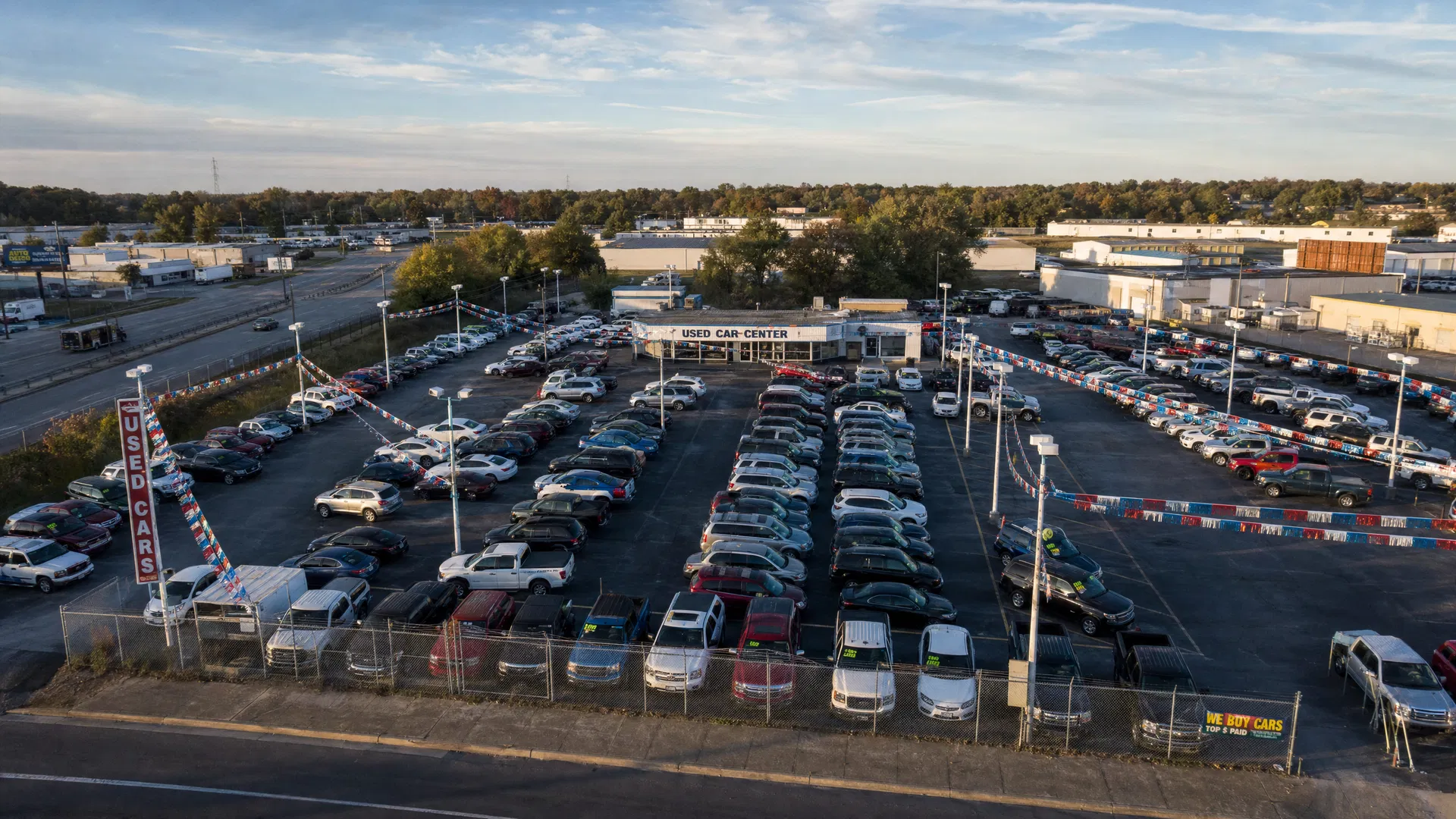
- Dealers Open Lot (also called Dealers Physical Damage) covers your vehicle inventory — the cars you own and are holding for sale.
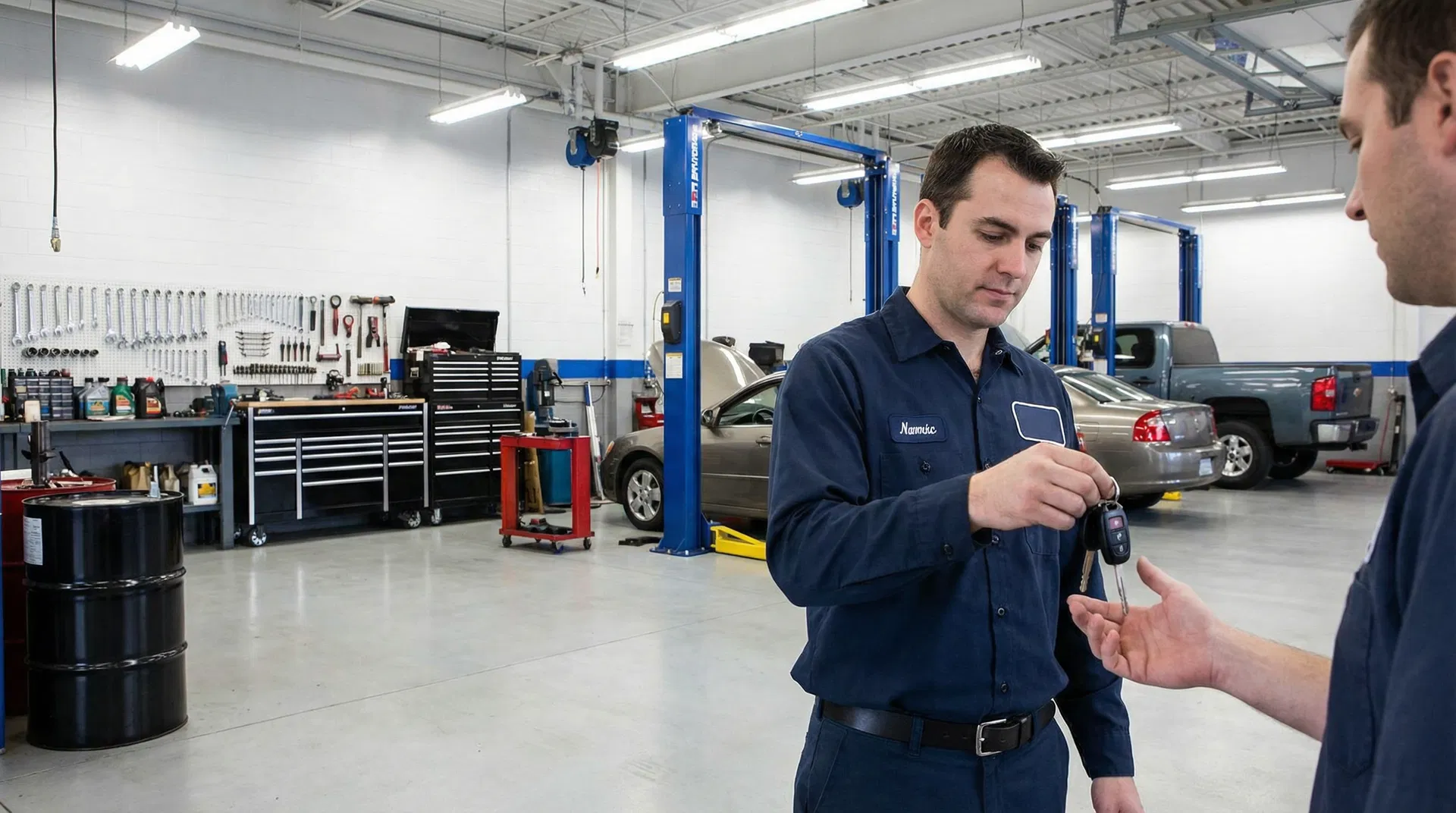
- Garagekeepers Insurance covers customer vehicles — cars that belong to other people but are temporarily in your care, custody, or control.
One protects your assets. The other protects you from liability for damage to someone else's property. They are not interchangeable, and having one does not eliminate the need for the other.
What Dealers Open Lot Insurance Covers
Dealers open lot insurance is a first-party property coverage that protects your vehicle inventory against physical damage from covered perils. These typically include:
- Comprehensive perils: Fire, theft, vandalism, hail, wind, flood, falling objects
- Collision: Damage from accidents involving your inventory vehicles (lot movements, test drives, dealer trades)
- Transport: Damage during vehicle transport between locations or from auction
The coverage applies to vehicles you own or hold for sale — whether they are on your lot, in transit, at auction, or being test-driven by a prospective buyer. The coverage limit is typically set at the maximum total value of inventory you could have at any one time.
Who Needs Dealers Open Lot?
- New car dealerships (franchise and independent)
- Used car dealers
- Wholesale dealers
- Any dealer with floorplan financing (lenders require it)
- Dealers who carry any vehicle inventory
What Garagekeepers Insurance Covers
Garagekeepers insurance covers damage to customer vehicles while they are in your care, custody, or control for service, repair, storage, or safekeeping. It responds when a customer's vehicle is damaged by:
- Fire or explosion at your facility
- Theft or attempted theft from your premises
- Vandalism while stored at your location
- Collision damage caused by your employees
- Weather events (hail, wind, flood) depending on policy form
Garagekeepers does NOT cover your own vehicles — only vehicles belonging to customers or other third parties that are temporarily in your possession.
Who Needs Garagekeepers?
- Auto repair shops and body shops
- Dealerships with service departments
- Tow companies with storage yards
- Any business that holds customer vehicles overnight
- Dealers who accept trade-ins before completing paperwork
Side-by-Side Comparison
| Feature | Dealers Open Lot | Garagekeepers |
|---|---|---|
| Whose vehicles? | Your inventory (vehicles you own) | Customer vehicles (vehicles others own) |
| Coverage type | First-party property | Bailee liability / direct coverage |
| Required by | Floorplan lenders, state DMV (some states) | Best practice; required by some states for tow yards |
| Typical limits | $100K–$2M+ (based on inventory value) | $50K–$1M (based on max customer vehicles on-site) |
| Common perils | Theft, hail, fire, collision, vandalism | Fire, theft, vandalism, collision, weather |
| Deductible | $500–$2,500 per vehicle | $250–$1,000 per vehicle |
Do You Need Both?
Most dealerships that have both a sales operation and a service department need both coverages. Here's why:
- A used car dealer who also does reconditioning work holds both inventory vehicles (covered by open lot) and customer trade-ins awaiting title transfer (which may need garagekeepers)
- A franchise dealer with a service department has inventory on the lot AND customer vehicles in the service bays
- A tow company has its own fleet vehicles AND customer vehicles in the storage yard
The only businesses that might need just one or the other are pure wholesale dealers with no service operations (open lot only) or pure repair shops with no inventory (garagekeepers only).
Common Mistakes
1. Assuming Garage Liability Covers Vehicle Damage
Garage liability insurance covers bodily injury and property damage liability — meaning injuries to people and damage to third-party property caused by your operations. It does NOT cover physical damage to vehicles, whether yours or your customers'. You need open lot and/or garagekeepers for that.
2. Relying on the Customer's Own Insurance
Many shop owners assume the customer's own auto policy will cover damage while the vehicle is in the shop. While that may be true in some cases, it creates customer relations problems and potential subrogation claims against your business. Garagekeepers coverage protects the relationship and your reputation.
3. Underestimating Inventory Value
Dealers who carry more inventory than their open lot limit allows are self-insuring the excess. If you have $500,000 in inventory but only $300,000 in open lot coverage, a total loss event (fire, major hail storm) will leave you $200,000 short.
Bundling for Better Pricing
Most carriers that write garage liability also offer dealers open lot and garagekeepers as part of a package policy (often called a Garage Policy or Business Auto Policy with garage endorsements). Bundling these coverages with a single carrier typically results in better pricing, simplified administration, and fewer coverage gaps between policies.
At DealerLiability.com, we help dealers and shops build comprehensive programs that include the right combination of garage liability, dealers open lot, and garagekeepers — all from A-rated carriers at competitive rates. Get a quote to see how we can package your coverages.
Related: Need help reading your garage insurance certificate? See our complete guide to reading the ACORD 30 Certificate of Garage Insurance — with annotated visuals and section-by-section breakdowns.
Disclaimer: Coverage descriptions in this article are general in nature and based on standard policy forms. Actual coverage terms, conditions, exclusions, and limits vary by carrier and policy. Always review your specific policy language and consult with a licensed insurance agent to understand your coverage. This article does not constitute insurance advice.
Kevin A. Smith
Kevin specializes in commercial insurance for automotive businesses — dealers, repair shops, towing companies, and garages — across FL, TX, GA, NC, SC, OK, NM, and UT. He works with 100+ A-rated carriers to find the right coverage at the right price.
View all articles by Kevin